
Nigeria Finally Got PayPal Access Through Paga. But 336 Nigerians Have Signed a Petition Against PayPal
For many years, PayPal, a major player in the international payment system, did not allow accounts registered in Nigeria to receive funds from freelancing platforms such as Fiverr.
By Israel Usulor
Some years ago, when Ovosa Oroye, a social media personality, wanted to receive foreign donations to support a project he was running in Nigeria, the fundraising platform requested that he provide a PayPal account. He told me he had donors standing by, and all that was needed was for him to connect a PayPal account to the fundraising platform and have the funds sent to him for his non-profit.
However, he lost the funding opportunity because he quickly realised that he was not allowed to receive funds through a PayPal account registered in Nigeria.
“I was preparing a project, needed funds, I had some donors from overseas on standby, but the fundraising platform required me to set up PayPal. So I couldn’t get the funds because of that,” Ovosa tells me in a chat.
Counting the losses caused by a lack of access to PayPal
The pain of losing an important funding opportunity simply because he lived in Nigeria was an experience Ovosa was not going to forget in a hurry. “I started keeping a grudge against PayPal since then. I was so pained by the whole thing,” Ovosa tells me.

PayPal first shut down its services in Nigeria as far back as 2004, a time when Nigeria had only 1.5 million internet users, according to one estimate. PayPal cited concerns about internet fraud as a reason for shutting out anyone with a Nigerian IP address. Ten years later, in 2014, the company made a re-entry through a partnership with Nigerian lender, First Bank.
Yet PayPal accounts registered in Nigeria were not allowed to access the full range of services the payment platform offered. Nigerian accounts could only send money or pay for goods on shopping platforms, but never receive funds through PayPal.
PayPal’s decision to restrict Nigerian accounts to “send only” severely affected freelancers, nearly cutting them off from numerous earning opportunities on freelancing platforms. At the time it partnered with First Bank, Nigeria’s fintech sector was still growing and had not yet provided alternative payment platforms such as those available in the country today.
Once a freelancing platform or a hiring company made PayPal their only way of paying for work done, most talented people in Nigeria were cut off, not because they were unqualified, but because even if they did the job, they wouldn’t be able to receive payment.
“I think many Nigerians of my generation genuinely felt excluded. PayPal had become the default way people around the world paid freelancers, bought digital products, and received money online, yet Nigerians were largely locked out of its most important feature: receiving payments,” said Leslie Williams Isah, a creative designer who spoke to me in a chat.
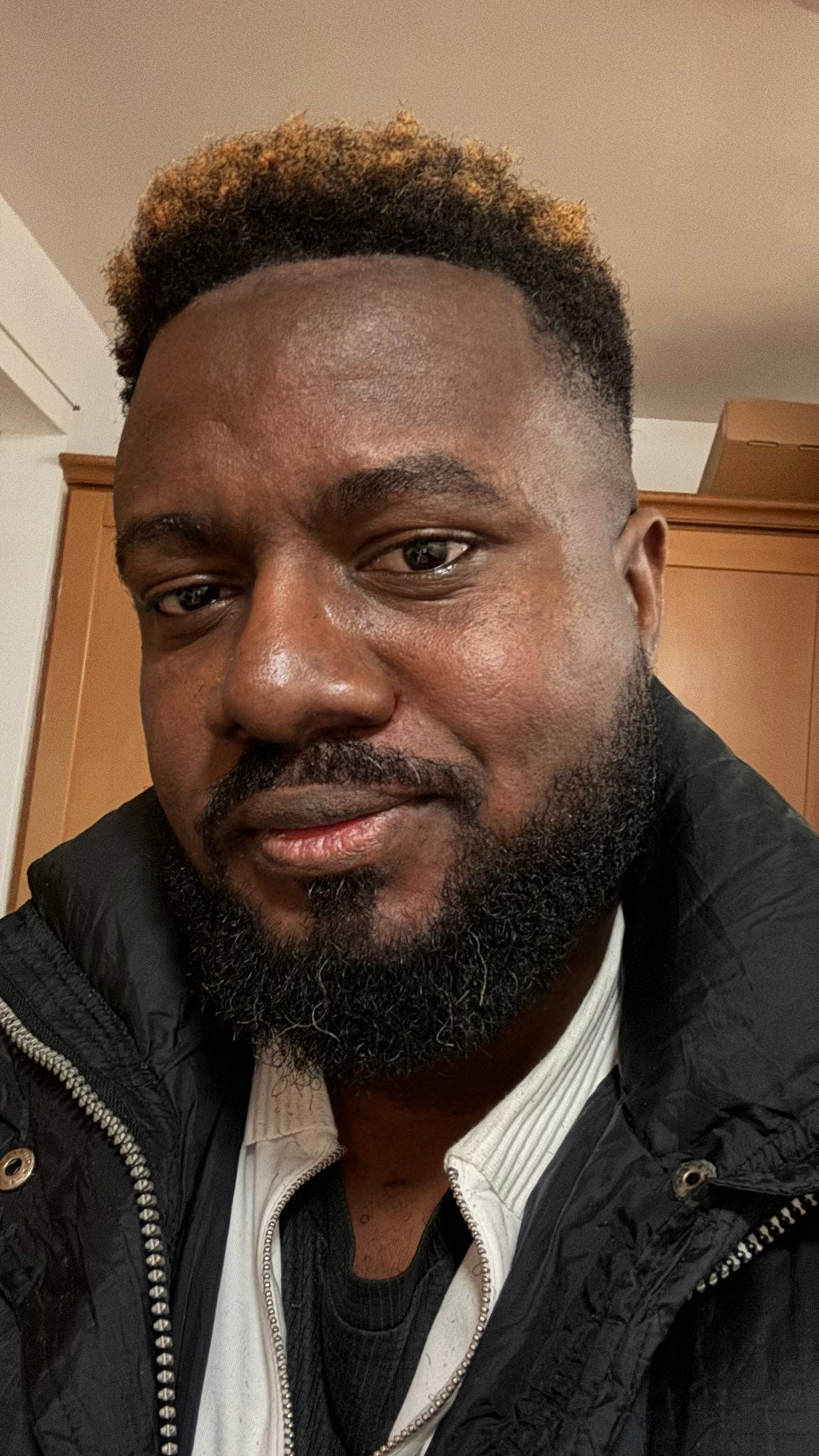
Leslie said freelancers relied on friends, family and partners abroad to get payment for work done.
“We couldn’t get paid, and we had to rely on friends and the kindness of strangers just to receive money on our behalf and wire the equivalent to us. Everyone in India, the US, the EU, and pretty much everywhere else just sent a PayPal link,” he told me.
The PayPal-Paga partnership: Did it solve the problem?
In January 2026, Nigerian fintech company Paga announced a partnership with PayPal, finally allowing accounts registered in Nigeria to receive payments from abroad through PayPal.
“Today, Nigerians can connect PayPal to Paga and use the service more practically and functionally, with money flowing into Naira through the Paga app,” Paga announced in a blog post published January 27.
While Paga has created an interface that allows customers to link their accounts with PayPal, it remains unclear whether all freelancing platforms are aware of the arrangement and have stopped rejecting Nigerians who select PayPal as their preferred withdrawal method.

At least one freelancer I spoke to for this story expressed difficulties connecting their PayPal account to Fivrr, a major freelancing platform.
“I wanted to withdraw from my Fivrr to PayPal, but because my PayPal is a Nigerian account, I can’t withdraw it. I only need PayPal that’s from another country to withdraw it. They rejected the PayPal because is from Nigeria,” one freelancer told me under condition of anonymity. He had made $96 on Fivrr but faced considerable challenges when he tried to withdraw the funds into his PayPal account.
It’s unclear why Fivrr rejected a PayPal account registered in Nigeria, despite the fact that PayPal accounts registered in Nigeria can now withdraw funds through Paga. Fivrr, Paga and PayPal did not respond to requests for comments.
Another freelancer, who did not expressly mention PayPal, maintained that challenges of receiving payments from foreign clients were common if one is based in Nigeria.
“It’s been a lot of challenges, and when it comes to withdrawing from Fivrr as well and receiving straight payment from abroad,” he told me during a chat.
Why a Nigerian Lawyer Launched a Change.org Petition Against PayPal
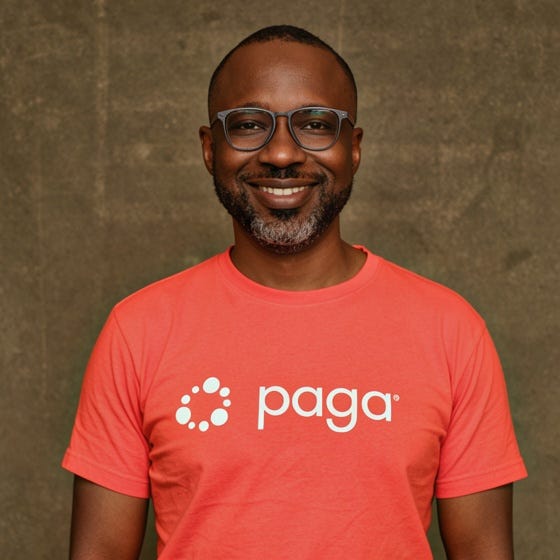
When Tayo Oviosu, the founder and CEO of Paga, announced that his fintech was partnering with PayPal to enable Nigerians to receive international payments through the platform, he probably did not expect the deluge of anger that followed his post on X.
One would have expected that after 20 years of PayPal’s gate-keeping, Nigerians would be more welcoming. That wasn’t the case. Instead, many people flooded social media with angry posts, accusing PayPal of coming back to Nigeria after realising that the country’s fintech sector was booming. Some went as far as accusing PayPal of withholding customers’ funds.
The outcry was so much so that Najib Adamu Usman, a lawyer, decided to take it up. He filed a petition on Change.org, asking that PayPal be investigated for allegedly freezing customers’ funds. So far, 336 people have signed the petition.
“I saw people on Twitter (X) who lamented how they were affected personally. So, I reached out to some of them. Though most of them were hesitant to share elaborately with me,” Najib tells me in a telephone interview.
Najib said the most common complaint from people he reached out to was that their accounts were abruptly restricted by PayPal. PayPal did not respond to my email asking it to comment on this.
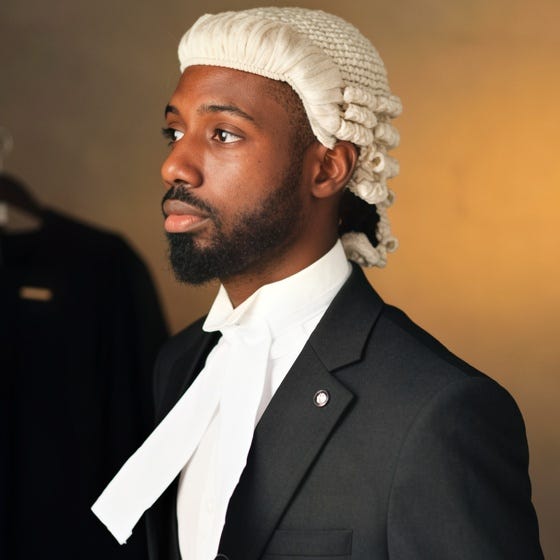
There have been arguments that PayPal account holders who claim their accounts were closed abruptly may have violated the company’s policies. However, Najib said policy violation should not be the reason for a bank to suspend an account.
“Some have claimed that the accounts that were suspended are Nigerian accounts and that at the time they were suspended, PayPal was not extending their services to Nigeria. But the way I look at it is that violating the policy of a bank should not warrant the bank to hold one’s money. There should be a better approach to meting out any disciplinary action,” he said.
Change.org does have the power to adjudicate, and the 336 signatures do not mean PayPal is guilty of any allegations raised, but Najib told me the collected signatures could become useful if the alleged infractions were to be submitted to the Federal Competition and Consumer Protection Council (FCCPC), which holds organisations accountable on behalf of the public. The body did not respond to my request for comments.
While Nigerians no longer depend entirely on PayPal for making and receiving online payments, grudges held against the fintech remain.